Painting your home can transform your space, refresh your walls, and even increase your property’s value. However, it is not just about the final result. Protecting your home during the painting process is essential to ensure that furniture, flooring, and personal belongings remain safe from spills, dust, and accidental damage. Over my thirty years in the painting industry, I have learned that preparation and attention to detail are key to a smooth, stress-free project. At J Michael’s Painting, protecting a client’s home is always one of our top priorities.
Preparing the Space
The first step in protecting your home is properly preparing the space. This involves clearing furniture away from walls, removing decorations, and covering anything that cannot be moved. Even small items like lamps, rugs, or picture frames should be relocated to prevent accidental damage.
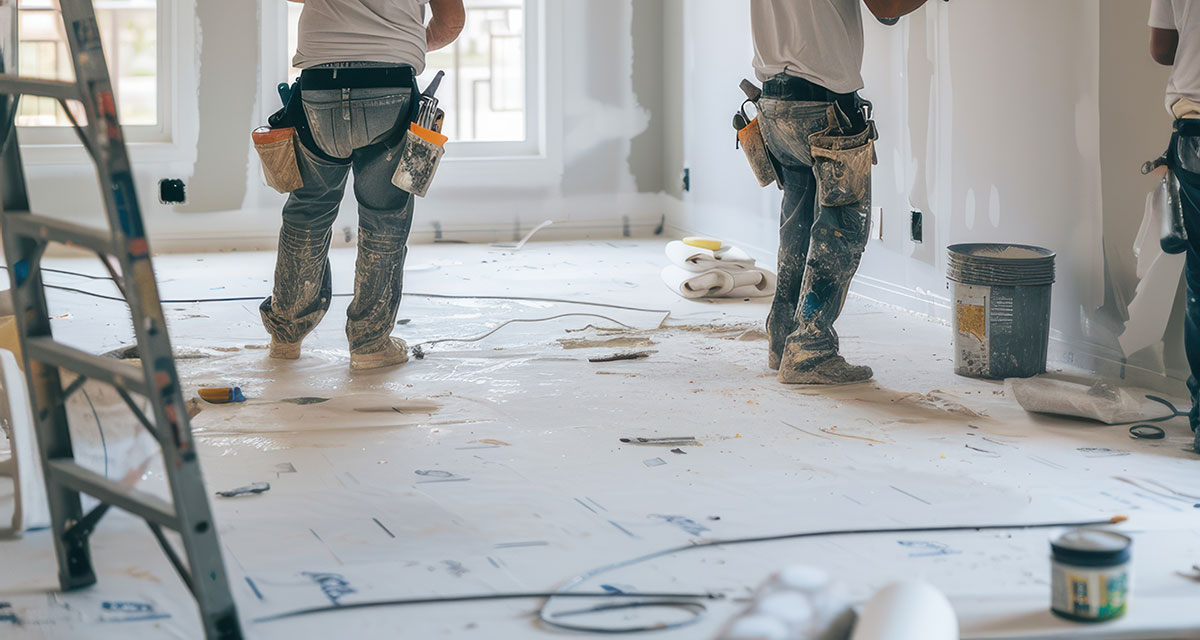
For floors, we use protective coverings such as drop cloths or plastic sheeting. Carpets and hardwood floors are particularly vulnerable to spills and drips, so creating a barrier is critical. This level of preparation may take time, but it greatly reduces the risk of damage and makes the painting process more efficient.
Protecting Furniture and Belongings
In addition to floors, furniture and belongings must be safeguarded. Large pieces can be moved to the center of the room and covered with heavy-duty cloths. Smaller items can be boxed or temporarily relocated to another room.
For homeowners with valuable or delicate items, extra precautions may be necessary. Fragile objects, electronics, or heirlooms should be removed from the painting area entirely. Proper protection ensures that your belongings remain safe, allowing painters to focus on achieving the best results without worrying about accidents.
Covering Fixtures and Trim
Light fixtures, doorknobs, and trim require careful attention. These areas are often overlooked, but paint splatters or overspray can damage finishes and create additional work. Professionals use painter’s tape to mask off edges and cover hardware.
Switch plates, vents, and electrical outlets should also be protected. Properly masking these areas not only prevents accidental paint marks but also creates clean, sharp lines for a professional finish. Attention to these small details separates a high-quality painting job from an average one.
Managing Dust and Debris
Sanding and surface preparation can create dust that spreads throughout the home. Containing this dust is important for both cleanliness and health, especially for households with children or individuals with allergies.
We use plastic barriers, drop cloths, and vacuum systems designed for construction debris to limit the spread of dust. Proper ventilation and cleanup routines help maintain a clean environment during the project. Protecting your home from dust ensures that the painting process does not leave a mess behind and that the indoor air quality remains safe.
Using the Right Tools and Materials
Choosing the right tools and materials also contributes to protecting your home. High-quality brushes, rollers, and sprayers allow for precise application and reduce the chance of accidental drips. Paint trays, extension poles, and scaffolding can help control where paint goes, keeping walls and floors safe.
Additionally, using paints designed for minimal spatter and quick drying can reduce the risk of mess. Professional painters know how to handle materials properly to minimize accidents and keep your home looking clean throughout the project.
Communication and Coordination
Protecting your home is not only about physical barriers. Clear communication between homeowners and painters is crucial. Before the project begins, we discuss areas that require special attention, fragile items that need extra protection, and any specific homeowner concerns.
Regular updates during the project ensure that everyone is on the same page. If unexpected issues arise, such as a difficult-to-reach area or a potential spill hazard, addressing it immediately prevents damage and maintains trust between the homeowner and the contractor.
Clean-Up Procedures
No painting project is complete without thorough cleanup. Removing protective coverings carefully, wiping down surfaces, and disposing of paint materials properly are all part of protecting your home.
Cleaning as we go prevents accidental tracking of paint and reduces the amount of work left for the homeowner. A well-executed cleanup ensures that your home is returned to its original state, with freshly painted surfaces and no lingering mess.
Peace of Mind for Homeowners
Knowing that your home is protected allows you to focus on the excitement of a fresh paint job rather than worrying about potential damage. Proper preparation, protective measures, and professional techniques provide peace of mind and confidence in the process.
Homeowners who take protection seriously also save time and money. Accidental spills, damaged furniture, or stained floors can lead to costly repairs and frustration. Investing in professional protection measures prevents these issues and ensures that the final result shines.
Final Thoughts
Protecting your home during a painting project is just as important as choosing the right color or achieving a smooth finish. Preparation, covering surfaces, safeguarding belongings, controlling dust, using the right tools, and maintaining clear communication are all key to a successful project.
At J Michael’s Painting, we understand the value of protecting a client’s home. Our approach combines experience, attention to detail, and the proper materials to ensure that every project is completed safely and efficiently. By prioritizing protection, homeowners can enjoy a beautiful, freshly painted space without stress or damage. Taking these steps ensures that your investment in painting provides long-lasting satisfaction for years to come.